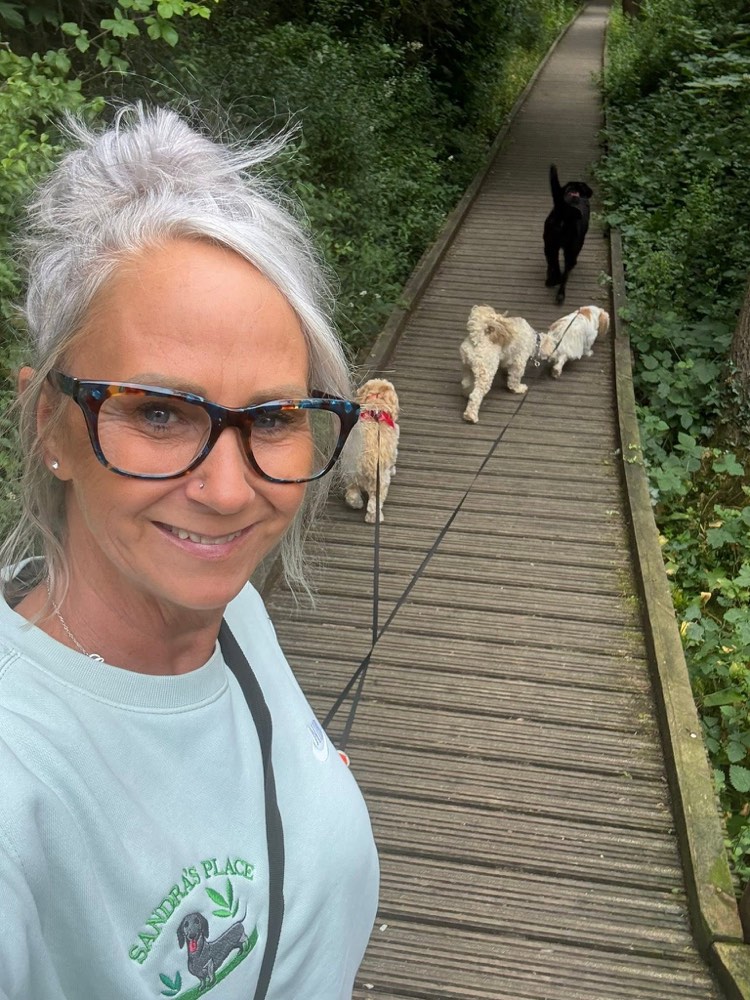

Water Safety for Dogs: Rivers, Lakes & What to Watch For
A good few of my favourite local walks follow the river or come with a lake for a swim, and most days that's exactly what makes them so good. But water brings its own risks that are easy to overlook, and I've seen one of them firsthand. Here's what's actually worth knowing.
TL;DR — key points
- Riverbanks can be softer or more undercut than they look, keep a proper distance near the edge
- Blue-green algae can bloom in still or slow water, mostly May to September, and it can be fatal
- Weil's disease spreads through stagnant or slow-moving water and can be serious, vaccination helps
- If your dog gets into trouble in water, don't go in after them
- Stick to spots you know well, and keep fresh water on hand so they're not drinking from the river
Riverbanks can be deceptive
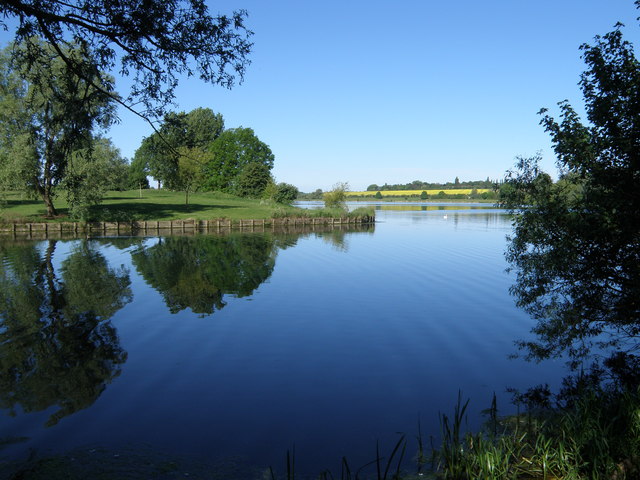
My own Jack Russell, Charlie, once got a bit too close to the edge of a riverbank and discovered there was no ground where he expected there to be. He went straight in. It was an accident, over in seconds, and dealt with quickly, but it stuck with me. A bank can look solid right up to the point it isn't, undercut by the water below or just soft from recent rain, and a dog exploring the edge doesn't know that until it gives way. It's worth keeping a proper distance from any unfamiliar bank, and a closer eye than you'd think you need even on ones you know.
Blue-green algae
Blue-green algae is a bacteria that can bloom in still or slow-moving water, mostly between May and September, and some blooms are seriously toxic to dogs even in tiny amounts. A dog can be poisoned by drinking the water or just by licking it off their fur after a swim.
You can't tell a toxic bloom from a harmless one just by looking at it, so the safest approach with any water that looks unusually green, scummy, or has a mat on the surface is to keep your dog away from it entirely, on the lead if needed. Symptoms include vomiting, diarrhoea, drooling, disorientation and seizures, and they can appear within minutes. If you think your dog's been exposed, ring your vet straight away rather than waiting to see how they get on.
Weil's disease
Weil's disease, or leptospirosis, spreads through the urine of infected animals and can survive in slow-moving or stagnant water, rivers, ponds, canals and floodwater among them, for months at a time. A dog can catch it by swimming in or drinking contaminated water. It can be serious, and in some cases fatal, and it's zoonotic too, meaning people can catch it from an infected dog. Annual vaccination is the main protection, so it's worth asking your vet whether your dog's up to date if they're a regular swimmer.
If your dog gets into trouble in water
Don't go in after them. It sounds counterintuitive, but the RNLI is clear on this: most dogs find their own way out of water they've got into trouble in, while an owner who follows them in is the one who ends up in real danger, especially from cold water shock. Move to a spot they'll be able to reach easily and call or whistle them towards you. If you're genuinely worried, call 999 and ask for the Coastguard rather than getting in the water yourself.
Everyday precautions go a long way. Stick to swim spots you already know rather than unfamiliar water, keep fresh water with you so your dog isn't tempted to drink from the river, and give them a rinse after a swim to wash off anything that might be on their coat. None of this means avoiding water altogether, most dogs love it, it's just worth doing with your eyes open.
My own favourite spots for a safe swim are covered in my guide to the best places to walk dogs in Peterborough, including which ones I'd pick on a warm day. Charlie was absolutely fine in the end, just a soggy, slightly indignant Jack Russell, but it's exactly the kind of thing that's worth being careful about rather than finding out the hard way.
Where this advice comes from
I've written all of the above in my own words, but the medical and safety facts aren't mine to make up. I've checked it against the people who publish this properly, and their versions are worth reading in full:
- British Veterinary Association on blue-green algae risks
- PDSA on leptospirosis in dogs
- RNLI on water safety advice for dog walkers
Checked against the sources above in September 2026. It's general advice, not advice about your own dog or a specific stretch of water, if in doubt, keep them on the lead.
Related guides