
Picky Eaters: Getting a Fussy Dog to Actually Eat
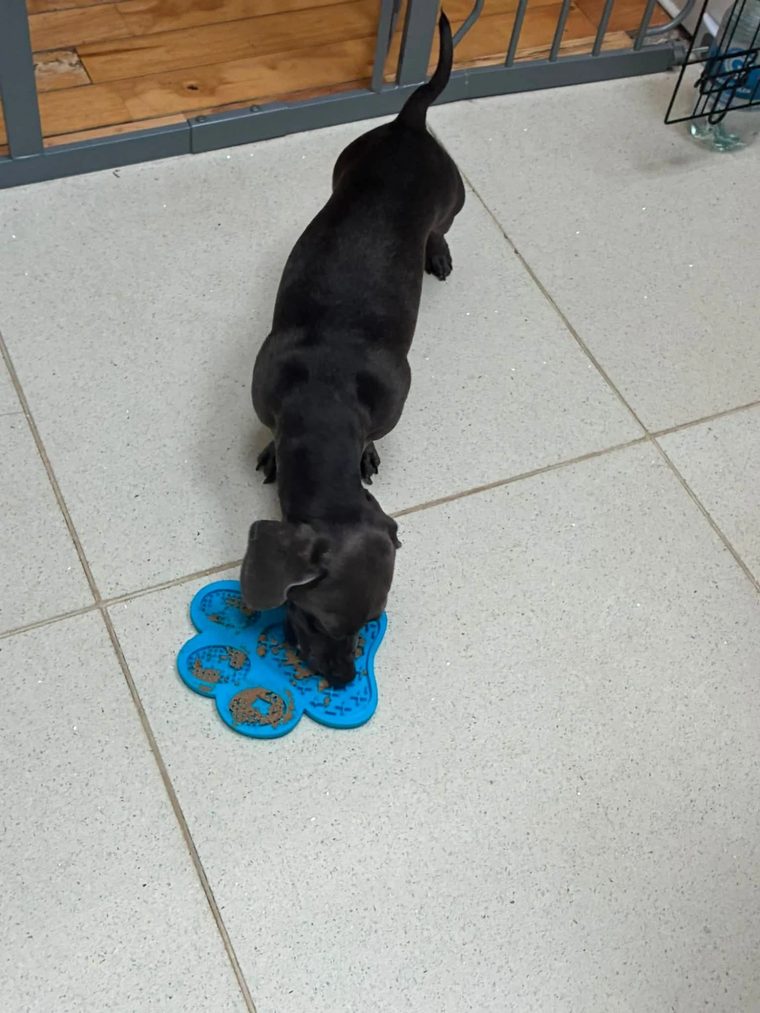
My own Stanley can be an absolute madam about his dinner, sniff it, look at me like I've personally wronged him, and wander off. He's healthy as anything, he's just fussy, and there's a difference between the two that's worth knowing before you panic or start buying every food on the shelf.
TL;DR — key points
- A dog who ignores dinner but happily takes a treat is probably just fussy, not unwell
- Too many treats or table scraps often cause the fussiness in the first place
- Offer the meal, remove it after 15-30 minutes, don't leave food down all day
- Warming food or adding a spoonful of wet food can help, but not every single meal
- Refusing food for over 24 hours, or seeming unwell, needs a vet, not a new brand of food
Fussy or actually unwell?
The easiest way to tell the two apart: a genuinely fussy dog still has their normal energy, and will usually wolf down a favourite treat even while turning their nose up at dinner. A dog who's also lethargic, being sick, has diarrhoea, or won't eat anything at all, treats included, might actually be unwell rather than just being fussy, and that needs a vet, not a feeding strategy.
Why dogs become fussy in the first place
More often than not, it's something we've taught them without meaning to. A dog who gets table scraps or extra treats through the day, or whose bowl gets swapped for something tastier the moment they turn their nose up, quickly works out that holding out gets them a better deal. It's not stubbornness exactly, it's just a dog responding sensibly to how mealtimes actually go in their house.
What actually helps
Put the food down at a set mealtime, let it sit for fifteen to thirty minutes, then take it away whether it's been eaten or not, and don't offer anything else until the next scheduled meal. It feels harsh the first few times, but it's consistency that fixes this, not persuasion. Warming the food slightly to bring out the smell, or mixing in a spoonful of good-quality wet food, can help too, just not as a permanent fix at every single meal, or you're back to teaching them to hold out.
Cut back on the extras first. Before changing food or trying anything else, look honestly at how many treats and scraps a dog's getting through the day. Stanley gets plenty of fuss and the odd bit of plain chicken, but I know exactly why he sometimes turns his nose up at his actual dinner, and it isn't the food's fault.
If you're ever tempted to sweeten things up with a treat, worth checking my guide to treats and human food first, since some of the obvious go-tos aren't as safe as they look. And if appetite loss comes on suddenly or your dog seems genuinely unwell, my dog first aid guide covers what counts as an emergency versus what can wait for a routine vet visit.
Where this advice comes from
I've written all of the above in my own words, but the medical side isn't mine to invent. I've checked it against the vets who publish this properly, and their versions are worth reading in full:
- PDSA on why pets go off their food
- The Kennel Club on feeding a fussy eater
- VCA Animal Hospitals on feeding canine picky eaters
Checked against the sources above in September 2026. It's general advice, not advice about your own dog, if appetite loss lasts more than a day or comes with other symptoms, see your vet.
Related guides